
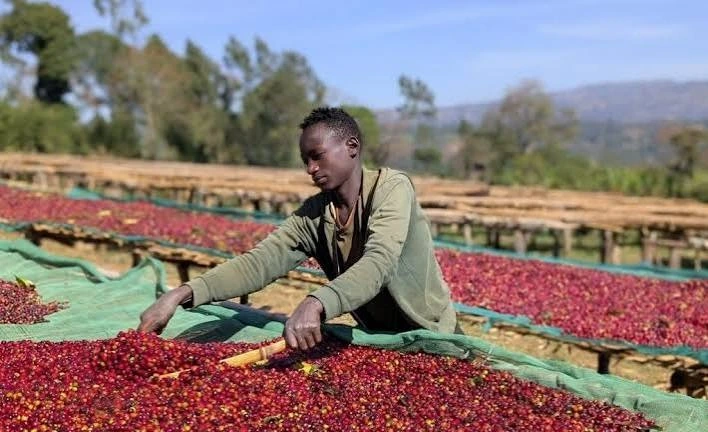
Ethiopian coffee has earned a special place in the world of specialty coffee, thanks to its remarkable flavour diversity, distinctive aromas, and centuries-old cultural traditions. From delicate floral notes to sweet berry flavours and refreshing citrus characteristics, Ethiopian coffee offers an experience that goes beyond an ordinary cup.
As the birthplace of Arabica coffee, Ethiopia has a rich coffee-growing heritage shaped by indigenous varieties, diverse landscapes, and traditional farming practices. Its coffee-growing regions produce beans with distinctive characteristics, making Ethiopian coffee a Favourite among specialty coffee enthusiasts, professional baristas, and roasters.
At KafaCraft Coffee, we celebrate this heritage by bringing authentic Ethiopian Arabica coffee to Calgary, Canada. Whether you prefer a bright pour-over, a balanced espresso, or a smooth cup to enjoy throughout the day, Ethiopian coffee offers plenty of variety to suit different preferences.
But what makes Ethiopian coffee stand out from other origins? Here are the qualities that have earned it recognition around the world.
Ethiopia Is the Birthplace of Arabica Coffee
Ethiopia holds a unique position in coffee history. The country’s southwestern highland forests are recognized as the natural home of Coffea arabica, the coffee species behind many of the world’s most celebrated specialty coffees. This rich heritage is also reflected in the quality and diversity of 100% Arabica Coffee Beans from Ethiopia.
One of the best-known stories associated with Ethiopian coffee is the legend of Kaldi, a young goatherd who supposedly noticed his goats becoming energetic after eating red coffee cherries. Although this story is folklore rather than verified history, it remains an enduring part of coffee culture.
From Ethiopia, coffee spread to Yemen and eventually reached other parts of the world. Today, Ethiopia continues to stand out for its extraordinary diversity of indigenous Arabica varieties and coffee-growing environments.
This heritage gives Ethiopian coffee a strong connection to the origins of one of the world’s most popular beverages. For coffee lovers, every cup offers an opportunity to appreciate the history and agricultural traditions behind the beans.
Distinctive Flavours Make Ethiopian Coffee Special
One of the defining characteristics of Ethiopian coffee is its wide range of flavour profiles. Unlike coffees that are primarily associated with chocolate or nutty notes, Ethiopian varieties can offer a more delicate and aromatic experience.
Depending on the origin, processing method, and roast profile, Ethiopian coffee may feature:
- Floral aromas reminiscent of jasmine.
- Bright citrus notes, including lemon and bergamot.
- Sweet berry characteristics, such as blueberry and strawberry.
- Delicate stone-fruit flavours.
- A smooth, tea-like texture.
- Natural sweetness and a lingering finish.
These tasting notes develop through the coffee’s variety, growing environment, processing, and roasting. They do not necessarily indicate that flavourings have been added to the beans.
The diversity of Ethiopian coffee makes it particularly appealing to people who enjoy tasting the differences between coffee-growing regions. One variety may offer a light, floral cup, while another delivers a fruitier, sweeter, and fuller-bodied experience.
This range of characteristics is one reason Ethiopian coffee remains a compelling choice for anyone interested in specialty coffee.
Yirgacheffe Coffee Offers Elegant Floral and Citrus Notes
Yirgacheffe is one of Ethiopia’s best-known coffee-growing areas, internationally recognized for producing aromatic Arabica coffee with a delicate and refined character.
Washed Yirgacheffe coffee is particularly appreciated for its clean flavour, bright acidity, and floral complexity. Common tasting notes include jasmine, lemon, and bergamot, often accompanied by a light to medium body and an elegant finish.
These qualities make Yirgacheffe an excellent option for pour-over brewing. Methods such as the Hario V60 or Chemex can help highlight the coffee’s aromatic qualities and subtle flavour differences.
For those who prefer coffee that feels refreshing rather than heavy, Yirgacheffe is worth trying. Its delicate profile allows the natural characteristics of the beans to take center stage.
At KafaCraft Coffee, Yirgacheffe represents the sophistication and diversity that make Ethiopian specialty coffee so distinctive.
Sidamo Coffee Delivers Fruity Flavours and Balanced Sweetness
Sidamo, also commonly called Sidama, is another celebrated Ethiopian coffee origin. Coffees from this region can offer a broad range of characteristics, from floral and citrus-forward profiles to sweeter, fruitier cups.
Depending on the specific coffee lot and processing method, Sidamo coffee may feature:
- Sweet berry notes.
- Stone-fruit characteristics.
- Gentle citrus acidity.
- Chocolate-like undertones.
- Balanced natural sweetness.
- A medium to full body.
Natural-processed Sidamo coffee can be especially appealing to people who enjoy pronounced fruit flavours. During natural processing, whole coffee cherries are dried with the fruit surrounding the beans, allowing the process to contribute to a sweeter and often fuller-bodied cup.
Selected Sidamo coffees can also work well for espresso and specialty coffee beverages. Their combination of sweetness, fruitiness, and body can create an interesting alternative to more traditional espresso profiles.
Comparing Sidamo with Yirgacheffe is an excellent way to appreciate the variety found within Ethiopian coffee. Although both originate in Ethiopia, their individual characteristics can produce distinctly different drinking experiences.
Ethiopia’s Growing Conditions Influence Coffee Quality
The environment in which coffee grows plays an important role in the characteristics of the final cup. Many Ethiopian specialty coffees come from highland regions where elevation, temperature, rainfall, soil, and local growing conditions influence the development of coffee cherries.
Cooler temperatures at higher elevations can slow cherry maturation, potentially contributing to the development of complex flavour characteristics. Ethiopia’s diverse landscapes also support a wide range of indigenous Arabica varieties.
However, elevation alone does not guarantee exceptional coffee. Farming practices, harvesting methods, processing, storage, and roasting all influence the final quality.
The combination of Ethiopia’s natural diversity and generations of coffee-growing knowledge helps explain why its coffee is so varied and widely appreciated.
For specialty coffee enthusiasts, these differences create an opportunity to experience how growing conditions influence aroma, acidity, sweetness, and body.
Traditional Processing Methods Shape the Final Cup
Coffee processing begins after the cherries are harvested. The method used to remove the fruit and prepare the beans for drying can significantly influence the coffee’s final flavour profile.
Two common methods used for Ethiopian coffee are washed and natural processing.
Washed Ethiopian Coffee
In washed processing, the outer fruit is removed before the beans are dried. This method often produces a clean and clearly defined flavour profile.
Washed Ethiopian coffees may emphasize:
- Floral aromas.
- Bright acidity.
- Delicate citrus notes.
- Clean finishes.
- Subtle flavour distinctions.
Washed Yirgacheffe is a well-known example of a coffee appreciated for its clarity and elegance. It is particularly suitable for brewing methods that highlight delicate aromas.
Natural Ethiopian Coffee
In natural processing, whole coffee cherries are dried with the fruit still surrounding the beans. This approach can contribute to more pronounced fruit characteristics and a richer impression of sweetness.
Natural Ethiopian coffees may feature:
- Prominent berry flavours.
- Greater fruit sweetness.
- A fuller body.
- Complex, sometimes wine-like characteristics.
Natural-processed Sidamo coffees are a good example of the fruit-forward profiles that this method can produce.
Neither method is automatically better than the other. The result depends on the quality of the cherries, the care taken during processing, and the subsequent roasting. The best choice ultimately comes down to the flavour experience you enjoy.
Ethiopian Coffee Is Rooted in Culture and Community
Coffee has a deep cultural significance in Ethiopia. Beyond being a daily beverage, it plays an important role in hospitality, social gatherings, and community life.
One of the most recognizable expressions of this tradition is the Ethiopian coffee ceremony.
The ceremony commonly involves roasting green coffee beans, grinding them, and brewing the coffee in a traditional clay pot called a jebena. The freshly prepared coffee is then served to family members, friends, and guests.
The process encourages people to slow down, share conversation, and spend time together. Coffee becomes a reason to gather rather than simply something to drink before moving on to the next task.
This tradition reflects a belief that sits at the heart of KafaCraft Coffee: coffee is more than a beverage. It is a connection between people, cultures, and shared experiences.
By celebrating Ethiopian coffee, we aim to honor the heritage behind the beans while bringing people together through an appreciation for quality coffee.
Fresh Roasting Helps Bring Out the Best in Ethiopian Coffee
Even excellent green coffee beans require careful roasting to reach their full potential. Roasting transforms the beans through heat, developing the aromas, sweetness, acidity, and body that define the finished cup.
Different roast levels can highlight different aspects of Ethiopian coffee.
Light roast: Often preserves and emphasizes floral aromas, lively acidity, and the distinctive characteristics associated with the coffee’s origin.
Medium roast: Can offer a balance of sweetness, body, and origin-specific flavours, making it a versatile option for different brewing methods.
Dark roast: Develops deeper roasted flavours and a heavier impression of body, with roast characteristics becoming more prominent.
The right roast depends on the individual beans and the intended brewing method. A delicate floral coffee may benefit from a roast that preserves its aromatic qualities, while another coffee may work well with a profile that develops more body and sweetness.
At KafaCraft Coffee, we value thoughtful roasting that respects the character of Ethiopian Arabica beans. Our goal is to celebrate their natural qualities while delivering a balanced and enjoyable coffee experience.
Why Choose KafaCraft Ethiopian Coffee in Calgary?
For coffee lovers in Calgary, KafaCraft Coffee offers an opportunity to appreciate the distinctive qualities of Ethiopian coffee and the traditions behind it.
Our approach is guided by three principles.
Authentic Ethiopian Coffee
We celebrate Ethiopian Arabica coffee and the heritage of the regions where it grows. Each origin offers a different perspective on Ethiopia’s remarkable coffee diversity.
Quality and Care
From selecting beans to developing suitable roasting profiles, attention to detail matters. We believe that thoughtful preparation helps reveal the characteristics that make each coffee distinctive.
Community and Connection
Coffee has a way of bringing people together. KafaCraft aims to reflect the warmth of Ethiopian coffee traditions by creating meaningful experiences for people who appreciate good coffee and the stories behind it.
Whether you are trying Ethiopian coffee for the first time or already enjoy its floral and fruit-forward profiles, KafaCraft welcomes you to experience the diversity of Ethiopian coffee in Calgary.
Ethiopian Coffee for Cafés, Restaurants, and Businesses
Ethiopian specialty coffee is not only an option for home brewing. It can also help cafés, restaurants, and other businesses introduce customers to distinctive coffee experiences.
Adding Ethiopian coffee to a menu can create opportunities to:
- Offer customers distinctive single-origin coffees.
- Introduce floral, citrus, and fruit-forward flavour profiles.
- Develop interesting espresso and filter coffee options.
- Differentiate a coffee menu from more conventional offerings.
- Share meaningful stories about coffee origins and traditions.
- Appeal to customers interested in specialty coffee.
The versatility of Ethiopian coffee makes it suitable for a range of menus and brewing approaches. The best selection depends on the business’s customers, preferred brewing methods, and desired flavour profile.
KafaCraft welcomes inquiries from cafés, restaurants, offices, and businesses interested in Ethiopian coffee and potential wholesale partnerships.
If your business is looking for wholesale Ethiopian coffee beans in Calgary or elsewhere in Canada, visit our website to connect with KafaCraft and discuss your requirements.
Frequently Asked Questions About Ethiopian Coffee
Is Ethiopian coffee considered one of the best coffees in the world?
Ethiopian coffee is highly regarded in the specialty coffee industry for its diverse Arabica varieties, distinctive flavours, and rich cultural heritage. Whether it is the best coffee depends on personal preference, but its complexity and aromatic qualities make it a Favourite among many coffee enthusiasts.
What makes Ethiopian Yirgacheffe coffee special?
Yirgacheffe is known for its floral aromas, citrus notes, bright acidity, and elegant finish. Washed Yirgacheffe is particularly popular among pour-over and filter coffee enthusiasts who appreciate delicate, clearly defined flavours.
Is Ethiopian coffee 100% Arabica?
Ethiopia is the natural home of Arabica coffee and is widely known for its Arabica production. However, buyers should check the product label to confirm whether a particular coffee is 100% Arabica, single-origin, or part of a blend.
Is Ethiopian coffee good for espresso?
Yes. Ethiopian coffee can make excellent espresso. Depending on the beans and roast profile, it may deliver bright fruit notes, floral complexity, balanced sweetness, or deeper chocolate-like characteristics.
Where can I buy Ethiopian coffee in Calgary?
KafaCraft Coffee is a Calgary-based coffee brand focused on Ethiopian coffee. Visit kafacraft to learn more about its coffee offerings and find out how to connect with the brand.
Experience Ethiopian Coffee with KafaCraft
From Ethiopia’s highlands to coffee cups in Calgary, Ethiopian coffee carries a story shaped by natural diversity, agricultural traditions, and a culture of hospitality.
Its distinctive flavour profiles, celebrated origins, and traditional processing methods make it an excellent choice for people who want more from their daily coffee. Whether you prefer the floral elegance of Yirgacheffe or the fruit-forward character of Sidamo, Ethiopian coffee offers a variety of experiences worth appreciating.
At KafaCraft Coffee, we are proud to celebrate Ethiopia’s coffee heritage and share our appreciation for Ethiopian Arabica coffee with Calgary and beyond.
Visit kafacraft to learn more about KafaCraft, explore our coffee offerings, and connect with us about retail or wholesale opportunities.