
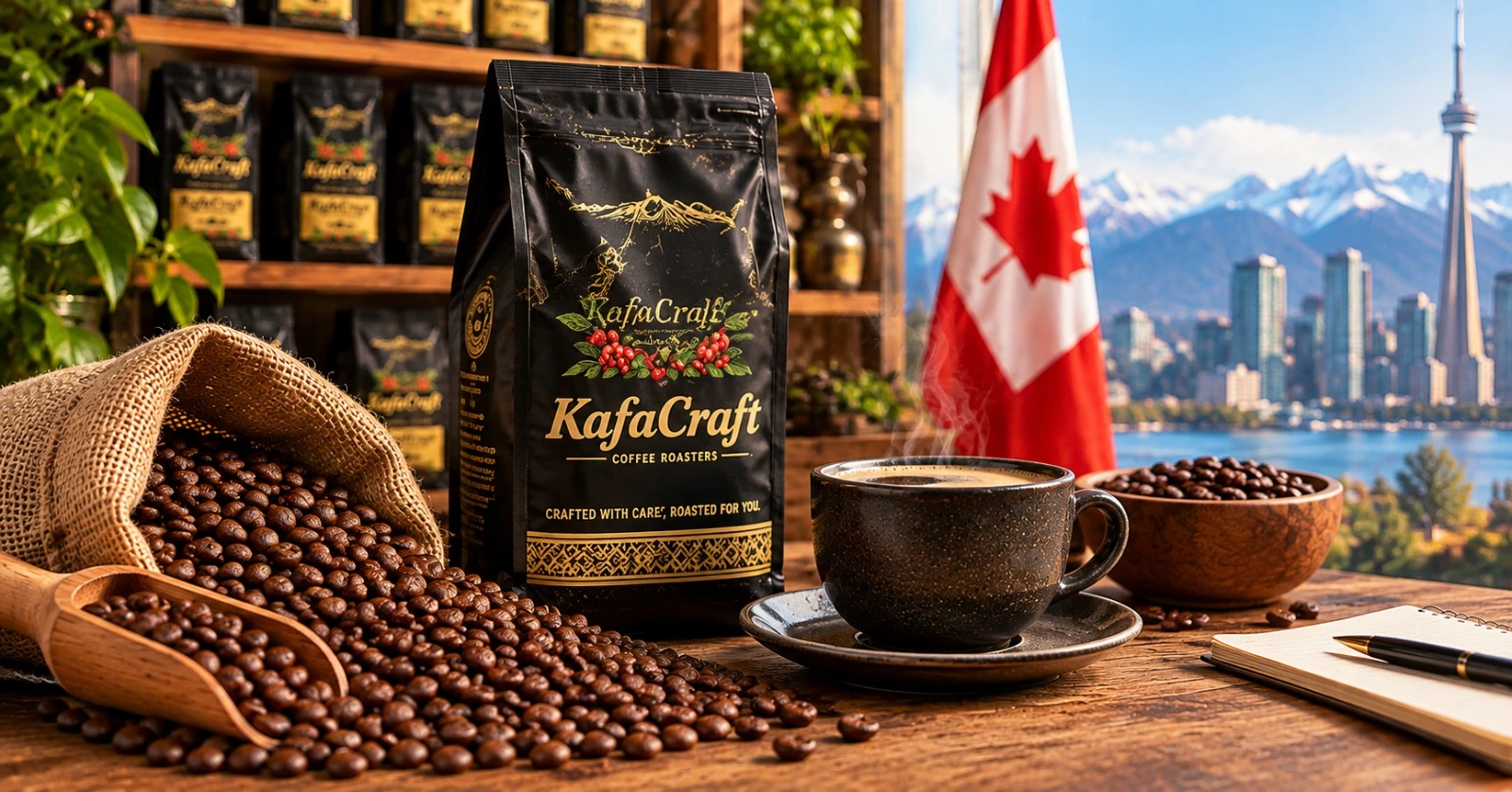
Choosing the Right Wholesale Coffee Supplier
Serving excellent coffee is an important part of creating a memorable customer experience. For cafés, restaurants, hotels, offices, and independent retailers, the quality of the coffee can influence customer satisfaction, repeat visits, and the overall reputation of a business.
Choosing the right supplier is equally important. Businesses need coffee that meets their quality standards, suits their customers, and can be sourced reliably at a reasonable cost.
Ethiopian Arabica coffee is an appealing option for businesses looking to offer distinctive flavours and a connection to one of the world’s most celebrated coffee traditions. Known for its floral aromas, bright acidity, fruit-forward notes, and natural sweetness, Ethiopian coffee offers a range of profiles for different brewing methods and customer preferences.
KafaCraft Coffee, based in Calgary, Alberta, celebrates Ethiopian coffee and its distinctive characteristics. Whether you operate an established café, manage a restaurant, or are developing a new coffee programme, understanding your options can help you make an informed purchasing decision.
Why Choose Ethiopian Coffee for Your Business?
Ethiopia is widely recognised as the birthplace of Arabica coffee and has a long-standing coffee culture. Its diverse growing regions produce beans with varied flavour characteristics, making Ethiopian coffee an attractive choice for specialty coffee programmes.
Depending on the region, processing method, and roast profile, Ethiopian coffee may feature:
- Floral aromas, including jasmine
- Bright citrus notes, such as lemon and bergamot
- Sweet berry and stone-fruit flavours
- Balanced acidity and natural sweetness
- Clean, tea-like finishes
- Richer, fruit-forward characteristics
These qualities give businesses an opportunity to offer customers something distinctive. Rather than relying exclusively on familiar, traditional coffee profiles, cafés and restaurants can introduce guests to different expressions of Ethiopian Arabica.
For specialty cafés, single-origin Ethiopian coffee can add variety to a filter coffee menu or espresso selection. Restaurants can use it to complement desserts or round out their beverage offerings. Retailers can also sell whole-bean coffee to customers who want to recreate a specialty coffee experience at home.
When selecting wholesale Ethiopian coffee beans in Canada, consider how the flavour profile fits your menu, equipment, target customers, and pricing strategy.
Yirgacheffe Coffee: An Elegant Choice for Specialty Cafés
Yirgacheffe is one of Ethiopia’s best-known coffee-growing origins. It is particularly appreciated for its aromatic complexity, delicate sweetness, and bright, refreshing character.
Washed Yirgacheffe coffees often have floral aromas and citrus-forward flavours. Depending on the coffee, you may notice notes of jasmine, lemon, bergamot, and delicate fruit.
What Does Yirgacheffe Coffee Taste Like?
A typical washed Yirgacheffe profile may include:
- Aroma: Jasmine and other floral notes
- Acidity: Bright and citrus-like
- Body: Light to medium
- Flavour: Lemon, bergamot, and delicate fruit
- Finish: Clean and refreshing
The exact characteristics vary according to the coffee variety, growing conditions, processing method, and roasting approach.
Why Should Cafés Offer Yirgacheffe?
Yirgacheffe can be a strong addition to a specialty coffee programme, particularly when a business wants to highlight origin and flavour rather than serve only a standard espresso blend.
It can work well for:
- Pour-over coffee
- Premium filter coffee
- Single-origin espresso
- Coffee tasting experiences
- Whole-bean retail sales
For customers who appreciate aromatic coffees with bright acidity, Yirgacheffe offers an opportunity to experience a different side of coffee.
KafaCraft Coffee celebrates the distinctive character of Ethiopian origins and welcomes enquiries from businesses interested in incorporating Ethiopian coffee into their offerings.
Sidamo Coffee: A Versatile Option for Espresso and Filter Brewing
Sidamo, also known as Sidama, is another recognised Ethiopian coffee-growing origin. Its coffees can display a broad range of flavours depending on the variety, processing method, and roast profile.
Natural-processed Sidamo coffees, for example, may have pronounced fruit characteristics and a fuller, sweeter impression than some washed Ethiopian coffees.
Common flavour characteristics can include:
- Blueberry and strawberry notes
- Sweet stone-fruit flavours
- Chocolate-like undertones
- Balanced acidity
- Medium to full body
- Rich, lingering flavours
These characteristics vary between lots, so businesses should evaluate the specific coffee rather than assume every Sidamo offering will taste the same.
How Can Businesses Use Sidamo Coffee?
Selected Sidamo coffees can suit several beverage applications, including:
- Espresso-based drinks
- Cappuccinos and lattes
- Filter coffee
- Signature coffee beverages
- Packaged whole-bean retail products
For espresso, the right combination of roast profile, grind size, dose, and extraction can help bring out the coffee’s sweetness and balance. In milk-based beverages, a suitable Sidamo coffee may offer fruit-forward flavours alongside the creaminess of milk.
For restaurants and cafés looking for a versatile coffee with a distinctive flavour profile, Sidamo is worth considering.
KafaCraft welcomes enquiries from businesses interested in discussing Ethiopian coffee options for their menus and beverage programmes.
Why Freshly Roasted Coffee Matters
Selecting high-quality green coffee beans is only one part of producing an excellent cup. Roasting plays a significant role in developing a coffee’s aroma, sweetness, acidity, and body.
The right roast profile should complement the characteristics of the beans and the intended brewing method. A roast that works well for filter coffee may not produce the same results when used for espresso.
Light Roast
Light roasting often preserves and highlights floral aromas, bright acidity, and distinctive origin characteristics.
It can be a suitable choice for specialty filter coffee and customers who enjoy delicate, vibrant flavours. Ethiopian coffees with floral and citrus notes can be particularly appealing when brewed using pour-over methods.
Medium Roast
Medium roasting can provide a balance of sweetness, acidity, and body.
For cafés serving espresso alongside cappuccinos, lattes, and other milk-based beverages, a medium roast may be a useful starting point. The final result depends on the individual coffee and how it performs on the equipment.
Dark Roast
Dark roasting emphasises deeper roasted flavours and a bolder overall character.
It may appeal to customers who prefer a traditional, roast-forward cup. However, darker roasting can make some of the more delicate origin characteristics less prominent.
How Should Businesses Choose a Roast Profile?
Before ordering wholesale coffee, consider your brewing equipment, menu, customer preferences, and desired flavour profile. Where sampling is available, test the coffee using your own equipment before committing to a larger order.
KafaCraft Coffee focuses on Ethiopian Arabica coffee and thoughtful roasting that celebrates the characteristics of its origins.
How to Choose a Wholesale Coffee Supplier in Canada
Your coffee supplier influences more than the quality of the beans. Supply consistency, communication, pricing, packaging, and delivery arrangements can all affect day-to-day operations.
Before choosing a supplier, evaluate the following factors.
Coffee Quality and Origin
Ask where the coffee comes from, how it has been processed, and what flavour characteristics you can expect.
A knowledgeable supplier should be able to explain the differences between available coffees and help you identify options that suit your brewing methods.
Freshness and Packaging
Freshness matters when purchasing roasted coffee. Discuss roasting schedules, packaging formats, storage recommendations, and suitable usage periods.
Properly sealed, food-safe packaging and sensible stock rotation can help preserve quality. Buying quantities that match your consumption can also reduce the risk of keeping coffee in inventory for too long.
Consistency Between Orders
Businesses need dependable results from one order to the next. Significant changes in flavour or extraction can affect customer satisfaction and require adjustments to brewing recipes.
Ask how the supplier manages roast consistency and communicates changes when a new coffee lot becomes available.
Wholesale Pricing
Compare pricing alongside quality, packaging, delivery costs, customer service, and expected beverage margins.
The lowest price per kilogram does not necessarily represent the best value. A coffee that performs consistently and suits your customers may provide a better overall return.
Supply and Delivery
Confirm minimum order quantities, lead times, delivery arrangements, shipping costs, and availability before entering a supply agreement.
These details are especially important for businesses that depend on a consistent coffee supply throughout the week.
Customer Support
A supplier who understands espresso preparation, filter brewing, and café operations can be a valuable resource.
Clear communication makes it easier to discuss coffee options, address supply questions, and select products that fit your business requirements.
KafaCraft Coffee understands that every business has different needs and welcomes enquiries from cafés, restaurants, offices, and retailers considering Ethiopian coffee.
How Much Do Wholesale Coffee Beans Cost in Canada?
Wholesale coffee beans prices vary according to origin, quality, green coffee costs, roasting, packaging, order volume, and supplier arrangements. Shipping and delivery requirements can also affect the final cost.
For this reason, businesses should evaluate coffee based on its cost per serving rather than focusing exclusively on the price per kilogram.
Calculating the Cost of Espresso Coffee
Consider a hypothetical café purchasing roasted coffee at CAD $30 per kilogram.
If the café uses an 18-gram dose for a double espresso, the calculation is as follows:
- Coffee price: $30 per kilogram
- Dose per double espresso: 18 grams
- Approximate doses per kilogram: 55
- Coffee cost per double espresso: Approximately $0.54
This calculation covers the coffee beans only. It excludes waste from dialling in equipment, milk, cups, labour, rent, equipment expenses, and other operating costs.
The $30 per kilogram figure is an illustrative example, not a published KafaCraft Coffee wholesale price.
Why Cost Per Cup Matters
Understanding the cost of each serving helps businesses assess whether a particular coffee fits their budget and menu pricing.
When comparing suppliers, consider:
- Cost per kilogram
- Cost per espresso or brewed serving
- Expected coffee waste
- Quality and consistency
- Customer preferences
- Packaging and shipping expenses
- Supplier reliability
A slightly more expensive coffee may be worthwhile if it improves the customer experience and suits your menu. The key is to evaluate the complete cost of serving it, rather than making a purchasing decision based on price alone.
For current options, minimum order quantities, and a quotation tailored to your business, contact KafaCraft Coffee directly.
Choosing the Right Ethiopian Coffee for Your Business
Different businesses have different requirements. Your ideal coffee should suit the people you serve, the equipment you use, and the way your operation runs.
Independent Specialty Cafés
Specialty cafés may benefit from offering distinctive single-origin coffees such as washed Yirgacheffe or natural-processed Sidamo.
These coffees can add variety to a filter menu, create opportunities for coffee tastings, and appeal to customers interested in origin and flavour.
Restaurants
Restaurants should consider a coffee that complements the menu and can be prepared consistently during busy service periods.
A well-matched coffee can round out the dining experience, whether it is served after a meal or alongside dessert.
Offices and Workplaces
Workplaces often need coffee that is straightforward to prepare and suitable for a broad range of preferences.
Consider the available brewing equipment, daily consumption, storage space, and frequency of replenishment before selecting a wholesale option.
Coffee Retailers
Retailers can consider packaged Ethiopian whole-bean coffee for customers who enjoy preparing coffee at home.
Clear origin information, appropriate packaging, and an accurate description of the flavour profile can help customers make informed purchasing decisions.
Hotels and Hospitality Businesses
Hotels and other hospitality businesses need to balance coffee quality with preparation time, service consistency, inventory requirements, and guest expectations.
The most suitable option is one that fits the property’s beverage programme and can be supplied according to its operational needs.
Ultimately, the right coffee programme balances flavour, quality, customer expectations, operating requirements, and budget.
Why Consider KafaCraft Coffee in Calgary?
KafaCraft Coffee is a Calgary-based business inspired by Ethiopia, the birthplace of Arabica coffee. Its focus is on sharing the distinctive qualities of Ethiopian coffee and building meaningful connections through coffee.
A Focus on Ethiopian Coffee
Ethiopian coffee is known for its diverse flavour profiles and regional characteristics. KafaCraft celebrates origins such as Yirgacheffe and Sidamo, giving businesses an opportunity to enquire about coffees with distinctive characteristics.
An Appreciation for Quality and Roasting
Coffee selection and roasting influence the flavours that reach the cup. KafaCraft values thoughtful roasting and the qualities that make Ethiopian Arabica coffee distinctive.
A Calgary-Based Business
Based in Calgary, Alberta, KafaCraft is committed to building relationships with customers and the local business community.
Businesses elsewhere in Canada are also welcome to enquire about potential wholesale arrangements. Shipping availability, delivery times, and costs should be confirmed directly with the company.
Wholesale Enquiries for Businesses
If you operate a café, restaurant, office, hotel, or retail business, consider discussing your requirements with KafaCraft.
You can share your preferred coffee style, estimated monthly consumption, brewing methods, and expected order quantities to help determine which available options may suit your operation.
For businesses looking for wholesale Ethiopian coffee beans in Calgary, KafaCraft Coffee is a potential supplier to contact when evaluating Ethiopian coffee options.
Visit KafaCraft Coffee to learn more and enquire about wholesale availability and pricing.
How to Get Started With Wholesale Ethiopian Coffee
Once you have identified your business requirements, the purchasing process becomes easier to manage. The following steps can help you prepare for a conversation with a potential supplier.
Step 1: Estimate Your Coffee Requirements
Calculate your approximate monthly consumption. Consider the number of beverages served daily, average dose sizes, expected growth, and any coffee used for staff or testing.
This estimate can help you identify an appropriate order size.
Step 2: Identify Your Preferred Coffee Style
Decide whether you want a floral and citrus-forward coffee, a sweeter and fruitier profile, or a bolder option for espresso and milk-based drinks.
Your existing menu and customer preferences can help guide this decision.
Step 3: Contact KafaCraft Coffee
Share details about your business, brewing equipment, estimated order quantity, and preferred flavour characteristics.
Providing this information can make it easier to discuss suitable options.
Step 4: Confirm Availability and Pricing
Ask about available origins, roast profiles, packaging sizes, minimum order quantities, wholesale pricing, and delivery arrangements.
Confirm the details before placing an order so that the coffee and supply schedule fit your operational needs.
Step 5: Evaluate the Coffee
If sampling is available, test the coffee using your own equipment. Assess flavour, aroma, extraction, consistency, and suitability for your menu.
For espresso, test the coffee with the recipes and milk options you normally use. For filter coffee, evaluate how it performs with your preferred brewing method.
Step 6: Establish an Ordering Schedule
Plan orders around consumption, storage capacity, and freshness requirements.
A practical schedule can help prevent stock shortages without tying up too much money in inventory.
Frequently Asked Questions About Wholesale Ethiopian Coffee
Where Can I Buy Wholesale Ethiopian Coffee Beans in Calgary?
KafaCraft Coffee is a Calgary-based Ethiopian coffee business. Cafés, restaurants, offices, and retailers can contact the company through its website to discuss potential wholesale supply, available coffees, and pricing.
What Is the Difference Between Yirgacheffe and Sidamo Coffee?
Washed Yirgacheffe coffees are often associated with floral aromas, bright citrus notes, and a clean finish. Natural-processed Sidamo coffees may offer sweeter fruit flavours, fuller body, and richer characteristics.
The precise flavour depends on the individual coffee, processing method, and roast profile.
Is Ethiopian Coffee Suitable for Espresso Machines?
Yes. Ethiopian Arabica can produce excellent espresso when the coffee, roast profile, grind size, and extraction recipe are appropriately matched.
Some coffees may work particularly well as single-origin espresso, while others may suit filter brewing or milk-based drinks.
What Is the Minimum Wholesale Coffee Order?
Minimum order quantities depend on the supplier and purchasing arrangement. Contact KafaCraft Coffee directly to confirm available order sizes and requirements.
Can Restaurants Use Ethiopian Coffee for Regular Drip Coffee?
Yes. Ethiopian coffee can be used for drip brewing and may offer floral aromas, citrus notes, fruit-forward flavours, and natural sweetness.
The best choice depends on the restaurant’s equipment, menu, and customer preferences.
Does KafaCraft Coffee Supply Businesses Outside Calgary?
Businesses elsewhere in Canada are welcome to enquire about potential wholesale arrangements. Shipping availability, delivery times, costs, and order requirements should be confirmed directly with KafaCraft.
How Should Wholesale Roasted Coffee Beans Be Stored?
Store roasted coffee in sealed, food-safe packaging away from excessive heat, moisture, direct sunlight, and strong odours. Follow suitable stock rotation practices and the supplier’s storage recommendations to help maintain quality.
Bring Ethiopian Coffee to Your Business
Choosing the right wholesale coffee can make a meaningful difference to a café, restaurant, or hospitality business. Beyond price, the decision involves flavour, freshness, consistency, brewing requirements, and the reliability of the supplier.
Ethiopian Arabica coffee offers a diverse range of possibilities. Yirgacheffe can bring floral aromas and bright citrus characteristics to a specialty coffee menu, while selected Sidamo coffees can provide fruit-forward flavours and versatility across espresso and filter brewing.
For businesses considering a new coffee programme or looking for an alternative to their current supplier, KafaCraft Coffee in Calgary offers an opportunity to discuss Ethiopian coffee options and potential wholesale arrangements.
Start by identifying your coffee requirements, comparing available profiles, and calculating the cost per serving. Then contact KafaCraft to ask about current offerings, order quantities, delivery arrangements, and wholesale pricing.